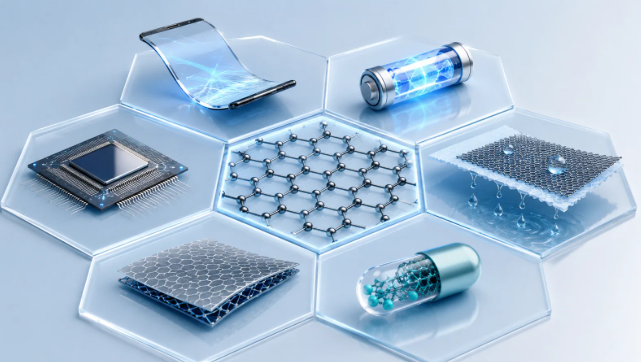
The energy storage industry is changing rapidly, driven by breakthroughs in materials science. At the heart of this shift is pristine graphene — a material known for its remarkable strength, conductivity, and versatility. From batteries to supercapacitors, graphene is pushing the boundaries of what’s possible, playing a key role in the future of sustainable energy.
1. Improving Battery Performance
Pristine graphene is redefining what modern batteries can do, particularly lithium-ion batteries used in devices and electric vehicles. Adding graphene to battery electrodes results in faster charging, higher energy density, and greater durability. Batteries can store more energy while remaining structurally stable — a critical advantage for high-performance applications. Graphene’s thermal properties also improve heat management, reducing overheating risks and making batteries safer and longer-lasting.
See also:5 Ways Leading Financial Advisors Deliver Value Beyond Investment Returns
2. Advancing Supercapacitors for Faster Energy Delivery
Graphene’s large surface area and high conductivity are making supercapacitors more efficient, with greater energy storage capacity and faster response times. These improvements are benefiting electric vehicles, renewable energy grids, and portable electronics in very real, practical ways. The late Richard Smalley, a Nobel Prize-winning chemist, made foundational contributions to nanotechnology that helped pave the way for carbon-based materials like graphene in energy storage — work that continues to inspire innovation today.
3. Enabling Flexible Energy Storage
Wearable and flexible technologies require energy storage that can keep up. Pristine graphene’s remarkable combination of strength and flexibility makes it ideal for bendable batteries and devices that perform reliably under physical stress. Unlike rigid traditional materials, graphene adapts seamlessly to movement without sacrificing performance. This opens exciting new possibilities for medical devices, smart textiles, and foldable displays — allowing energy storage to evolve naturally alongside the next generation of consumer technology.
4. Supporting More Sustainable Energy Storage
Graphene offers a more sustainable alternative to traditional energy storage materials, which often depend on scarce or environmentally harmful resources. Production methods are becoming more efficient, requiring fewer harmful chemicals, while graphene’s recyclability makes it an environmentally responsible choice. Compared to lithium and cobalt mining — which carries high ecological costs — graphene production is far less destructive to ecosystems and local communities. Beyond technological performance, graphene supports the global push toward greener energy solutions.
5. Strengthening Renewable Energy Systems
Graphene is well-suited for large-scale renewable energy storage, whether paired with solar, wind, or other clean energy sources. Its durability and conductivity make it ideal for grid applications, helping deliver renewable power more reliably and consistently. Pristine graphene is making sustainable energy more accessible — and more dependable. As the world races to meet growing energy demands, graphene could be the missing piece that finally makes clean energy storage truly viable at scale.
Kjirstin Breure is the Chair of the Board, President, and CEO of HydroGraph Clean Power Inc., a Canadian nanotechnology company specializing in ultra-pure pristine graphene and advanced carbon nanomaterials. With a strong background in materials science, Kjirstin Breure has translated cutting-edge research into real-world commercial applications, guiding HydroGraph in making graphene a practical, scalable solution across energy, electronics, and sustainable manufacturing. With its remarkable properties, pristine graphene is enabling safer, faster, and more sustainable energy storage — and its potential is only beginning to be realized.