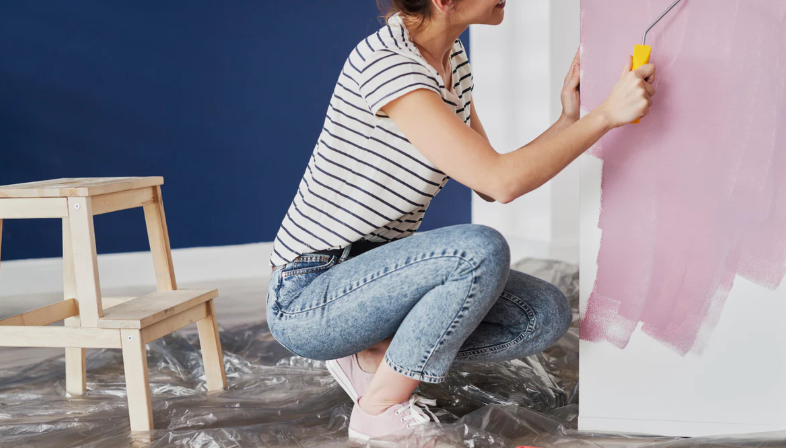
A visit to a home improvement center offers practical direction for planning and budgeting, with clear demonstrations and labeled samples to reduce guesswork. Staff provide targeted, independent guidance, while hands-on demos convert ideas into concrete steps. Visual ideas show how textures, palettes, and lighting come together in real rooms, allowing adaptable schemes. The result is a step-by-step, freedom-driven roadmap that evolves with taste, inviting the reader to consider the next move and what comes after.
What You’Ll Gain From a Home Improvement Center Visit
A visit to a home improvement center yields practical benefits that extend beyond merely selecting materials. The site curates actionable knowledge, enabling efficient planning, budgeting, and problem anticipation. A detached reader notes demonstrations, labeled samples, and staff expertise that translate into confident decisions. Two word ideas, two word ideas, offered as quick prompts to spark solution-driven, freedom-oriented progress.
See also: Balancing Risk and Reward in Crypto Portfolios
Explore Spaces: Visual Ideas That Translate to Real Rooms
The article presents visual ideas that translate into real rooms through clear, actionable guidance: coordinated textures palettes, balanced lighting layouts, and functional layouts.
It emphasizes adaptable schemes, where textures, palettes, and lighting layouts align with personal taste, enabling effortless, freedom-driven room transformation.
Hands-On Demos That Spark Practical Plans
Hands-On Demos That Spark Practical Plans demonstrate how demonstrations translate ideas into actionable steps. In these sessions, hands on demos reveal measurements, materials, and sequencing, enabling shoppers to draft practical plans with confidence. Observers identify constraints, compare options, and anticipate downtime or costs. The approach supports independence, turning curiosity into clear, attainable tasks and lasting, adaptable home-improvement outcomes.
Turn Trends Into a Plan: From Inspiration to a Concrete Project Roadmap
Trends are translated into a concrete plan by systematically assessing what remains feasible and practical for a given space. The process uses trend mapping to outline priorities, dependencies, and milestones, ensuring alignment with room dimensions and utilities. Material budgeting follows, allocating costs, contingencies, and procurement timelines. The result is a clear, actionable roadmap that balances inspiration with achievable, measurable steps.
Frequently Asked Questions
Do I Need an Appointment for a Design Consultation?
An appointment is not always required for a design consultation, but scheduling can ensure availability. The process involves appointment scheduling, and a design consultation fee may apply, depending on the scope and store policy.
Can I Bring My Measurements for In-Store Planning?
Bringing measurements is welcomed for in-store planning, easing alignment and accuracy. The center accommodates this practical approach, enabling precise solutions; guests freely exchange figures, sketch layouts, and refine ideas, ensuring measurements inform every efficient, thoughtful design choice.
Are There Cost-Free Design Resources Available?
Yes, there are cost free resources available, including online catalogs and in-store workshops. The approach emphasizes practical design inspiration, with step-by-step planning tools and samples, enabling customers seeking freedom to experiment without financial risk or commitment.
How Long Does a Typical Project Planning Session Take?
A spark lights the room: planning duration varies, but typically one to three hours. The inspiration timeline unfolds with benchmarks, tasks, and milestones, guiding progress; professionals suggest concise objectives, structured workshops, and practical checklists to maintain momentum and freedom.
Do They Offer Installation Services or Referrals?
Installation services are available, and referrals can be provided; design consultations are offered to tailor projects. The center emphasizes practical, solution-focused guidance, enabling customers to pursue flexible, independent choices while coordinating professional installation or trusted referrals as needed.
Conclusion
A visit to a home improvement center yields practical, ready-to-apply results, not just ideas. Staff-guided demonstrations convert concepts into actionable steps, while labeled samples densify budgeting confidence. A striking statistic helps frame the impact: stores that offer hands-on demos see project completion rates rise by approximately 30% compared with those that rely on catalogs alone. By translating trends into a concrete roadmap, shoppers gain a flexible, scalable plan that evolves with their home and tastes.