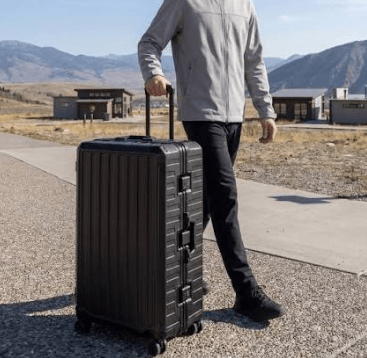
A suitcase is more than a container for clothing. It is an important travel companion that helps protect personal belongings, keeps items organised and makes moving between destinations easier. Whether travelling for a short business meeting or an extended holiday, selecting suitable luggage can improve the overall experience.
With different sizes, materials and designs available, choosing the right suitcase requires some planning. Buyers should consider their travel habits, packing requirements and preferred handling features before making a decision.
Start With Your Travel Requirements
The first step is to understand how the suitcase will be used. Someone who travels frequently for work may prefer a compact case that is easy to carry through airports. A family travelling for several weeks may need greater capacity and additional compartments.
Consider the following questions:
- How long are your usual trips?
- Do you normally travel with cabin or checked luggage?
- How much clothing and equipment do you carry?
- Will you use the suitcase frequently?
- Do you need separate compartments for specific belongings?
- How much storage space is available at home?
These considerations help identify the most practical size and style.
Choosing the Right Suitcase Dimensions
Luggage size should match the length of a journey and the amount of packing required. A compact suitcase can be convenient for short trips, while a larger case may provide more room for extended travel.
However, bigger is not always better. Oversized luggage can become difficult to manoeuvre and may exceed airline baggage limits.
Travellers should check the current baggage rules of their airline before purchasing. Cabin luggage restrictions can vary, and measurements may include wheels, handles and other external components.
Understanding Materials and Construction
Suitcases are generally available in hard-sided and soft-sided designs. Each type has different characteristics.
Hard-sided cases provide a structured exterior, while soft-sided options may offer flexible storage and external pockets. The choice depends on personal preference and the type of belongings being carried.
Pay attention to the quality of zippers, handles, corners and connecting parts. These components experience repeated use and can affect the overall durability of a suitcase.
A well-designed case should also be easy to lift, open and close without unnecessary effort.
Wheels and Handle Comfort
Mobility is an important feature, particularly in busy airports, railway stations and hotels. Suitcases with four wheels can often move in multiple directions, while two-wheel designs may suit travellers who prefer pulling luggage behind them.
The quality of the wheels matters as much as their number. Check whether they move smoothly and whether the suitcase remains stable when packed.
A telescopic handle should extend comfortably and lock securely. Its grip and height can make a noticeable difference during longer journeys.
Interior Organisation and Packing Space
Internal compartments help travellers organise clothing, footwear, toiletries and accessories. Compression straps can keep items in place, while smaller pockets make frequently used belongings easier to locate.
Packing cubes are another useful option. They can separate clothing by category or help organise items for different days of a trip.
Before choosing a suitcase, consider whether its interior layout suits your packing habits. A practical arrangement can be more useful than simply having a large empty space.
Comparing Luggage Options
Buyers should compare dimensions, weight, materials, wheel construction, handles, internal layout and warranty information. Product images can help with appearance, but specifications are essential for understanding the actual design.
Travellers exploring the lojel suitcase can review the available product details and consider whether the suitcase’s dimensions and features match their travel needs.
Check the exact model and size before ordering. It is also sensible to review delivery arrangements, return conditions and any available after-sales support.
Security and Care
A suitcase should help keep belongings organised and protected during transport. Some designs include integrated locks or reinforced zippers. Buyers should understand how these features operate and whether they meet their travel requirements.
After each journey, empty the suitcase and check for dirt, moisture or damage. Clean the exterior according to the manufacturer’s instructions and inspect wheels, handles and zippers.
Store luggage in a dry location and avoid placing excessive weight on top of it.
FAQs
1. How do I choose the correct suitcase size?
Consider your typical trip duration, packing habits and airline baggage restrictions. Check the complete external dimensions, including wheels and handles, before purchasing.
2. Are hard-sided suitcases better than soft-sided luggage?
Neither type is automatically better. Hard-sided cases offer a structured exterior, while soft-sided designs may provide flexibility and external pockets. Choose according to your preferences and travel requirements.
3. What should I check before buying a suitcase online?
Review the exact model, dimensions, weight, materials, wheel design, internal compartments, warranty and return policy. Confirm that the product suits your intended travel use.
Conclusion
Choosing a suitable suitcase involves more than selecting an attractive design. Size, construction, mobility, organisation and maintenance all influence its usefulness. By comparing these features with personal travel habits, buyers can select luggage that makes packing and travelling more convenient.