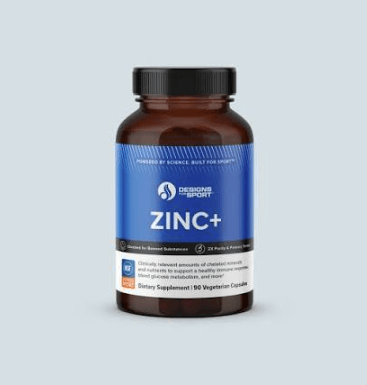
Minerals are essential components of many nutritional products, and the chemical form selected can influence formulation design, elemental content, processing, and label requirements. Zinc is particularly relevant to supplement manufacturers because it contributes to normal physiological functions, including immune function, protein synthesis, and wound healing. Choosing a zinc ingredient requires attention to its composition, purity, elemental zinc concentration, and suitability for the intended product.
Zinc bisglycinate is one form considered by manufacturers developing mineral supplements. A careful evaluation helps ensure that purchasing specifications align with formulation requirements and applicable regulations.
Understanding Zinc Bisglycinate
Zinc bisglycinate is generally described as a chelated zinc compound in which zinc is associated with glycine molecules. Chelated mineral ingredients are used in nutritional formulations because their chemical structures differ from those of inorganic mineral salts.
The term “bisglycinate” alone does not provide every detail needed for procurement. Commercial products may vary in elemental zinc concentration, moisture, carriers, processing aids, and analytical specifications. Buyers should review the technical documentation to understand the composition of the actual material.
It is also important to distinguish the amount of zinc compound from the amount of elemental zinc. A finished-product label normally declares the elemental mineral amount according to the rules of the target market, while the manufacturer must calculate the required ingredient quantity from the verified specification.
Why Ingredient Form Matters
The selected mineral form can affect product development in several ways. Elemental content influences how much raw material is needed per serving, while physical characteristics can affect blending, filling, compression, and overall product stability.
Elemental zinc calculation
Formulators need an accurate elemental zinc value to calculate the ingredient quantity required for a target serving. The value should come from the supplier’s verified specification or appropriate analytical data, not from an assumption based solely on the ingredient name.
If the ingredient contains carriers or other components, the calculation may differ from that for a material consisting predominantly of the chelated compound.
Taste and sensory properties
Mineral ingredients can influence the taste and mouthfeel of a finished product. This is particularly relevant to powders, chewable products, and drink mixes. Formulators should evaluate the actual ingredient within the complete formula because flavour systems, acidity, and other minerals can change the sensory result.
Physical handling
Particle size, bulk density, moisture, and flowability can affect manufacturing performance. A powder that blends well in one formula may behave differently in another. Pilot-scale testing can help determine whether the material is compatible with existing equipment and processing conditions.
Quality Specifications and Testing
A reliable ingredient specification should identify the material and define the properties that determine acceptance. For zinc bisglycinate, buyers may need information about identity, elemental zinc, moisture, appearance, heavy metals, microbial quality, and other relevant parameters.
Identity and composition
Identity testing helps verify that the ingredient matches the intended material. Composition testing establishes the amount of elemental zinc or other declared constituents. Analytical methods should be appropriate to the material and clearly identified in the documentation.
Contaminant control
Mineral ingredients require suitable contaminant controls. Depending on the manufacturing process and intended market, specifications may address lead, cadmium, arsenic, mercury, and microbiological criteria where relevant.
Batch consistency
Consistency is important for products that must deliver a defined amount of zinc per serving. Buyers should confirm that certificates of analysis identify the supplied batch and report results against agreed acceptance criteria. Supplier traceability and change-control procedures can also help prevent unexpected differences between orders.
See also: Why UPI-First Fintechs Are Turning to Agentic AI for Real-Time Dispute Resolution
Incorporating Zinc Bisglycinate into Products
Zinc ingredients may be incorporated into capsules, tablets, multinutrient formulas, powdered supplements, and other products. Each format presents different technical requirements.
Capsule and tablet manufacturers must consider fill weight, blend uniformity, compression behaviour, and compatibility with excipients. Powdered products may require additional attention to taste, dispersion, moisture management, and segregation.
Interactions with other ingredients should also be considered. Mineral mixtures can behave differently depending on the combination of salts, vitamins, amino acids, and processing aids. Stability testing can help identify whether the formulation maintains its intended quality during the proposed shelf life.
Labelling, Dosage, and Responsible Use
Zinc is necessary for normal health, but excessive intake can cause adverse effects and interfere with the absorption or status of other minerals, including copper. The appropriate amount depends on age, dietary intake, individual circumstances, and the rules applicable to the product.
Manufacturers should ensure that serving instructions, elemental zinc declarations, warnings, and claims meet the regulations of the target market. A raw ingredient supplier’s specification does not replace the finished-product manufacturer’s responsibility for accurate labelling.
Health claims should be based on authorised wording and appropriate evidence. Products should not imply that zinc bisglycinate independently prevents or treats disease unless such claims are legally permitted and properly substantiated.
Supplier Evaluation and Procurement
Before purchasing, buyers should define the intended product format, target elemental zinc level, required ingredient quantity, quality standards, packaging, and storage conditions. The supplier should provide current technical information and explain any relevant differences between available grades.
For sourcing research, hongda naturals Zinc Bisglycinate Powder can be evaluated alongside alternative mineral ingredients. Confirm the current elemental zinc content, identity testing, contaminant limits, certificate of analysis, minimum order quantity, and lead time directly with the supplier.
Frequently Asked Questions
1. What is zinc bisglycinate?
It is a form of zinc associated with glycine molecules and used in some nutritional supplement formulations. The exact composition and elemental zinc content should be verified through product documentation.
2. How is elemental zinc different from the total ingredient weight?
Elemental zinc refers to the quantity of zinc itself, while the total ingredient weight includes the complete compound and any other components. Formulators use the verified elemental content to calculate the amount needed for a target serving.
3. What quality documents should a buyer request?
Relevant documents may include a product specification, certificate of analysis, identity and composition results, contaminant testing, batch traceability information, and storage recommendations.
Conclusion
Zinc bisglycinate can be considered for mineral supplements when its elemental content, composition, and physical properties match the formulation’s requirements. Consistent manufacturing depends on accurate calculations, reliable analytical testing, appropriate storage, and compliant labelling. A detailed supplier review helps manufacturers establish quality expectations before production begins.