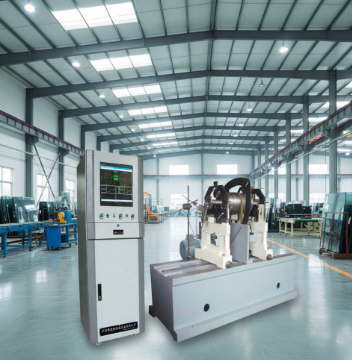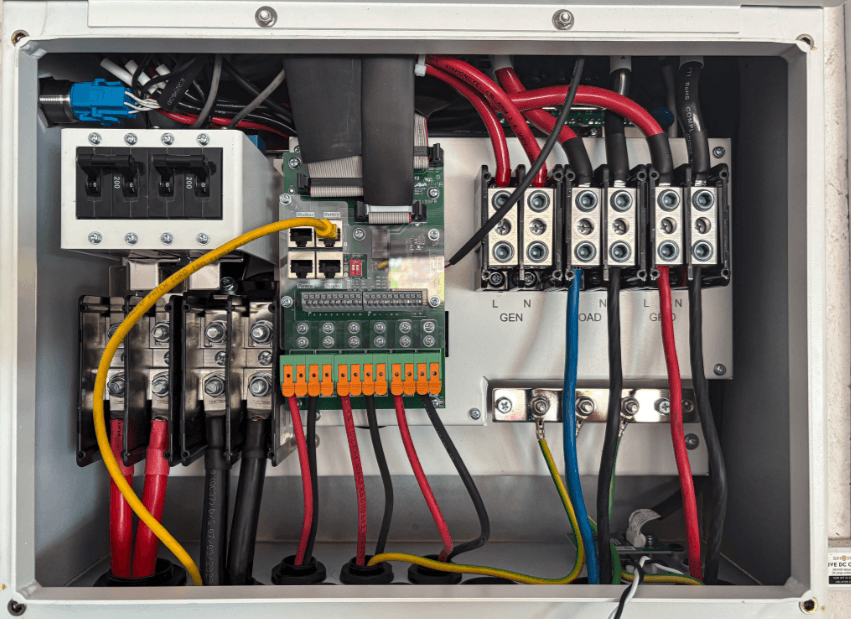
A low voltage switchboard is a critical component of modern electrical distribution systems, designed to safely distribute electrical power from a single source to multiple circuits. It serves as the central control point for managing, protecting, and monitoring electrical equipment in residential, commercial, and industrial facilities. By housing protective devices such as circuit breakers, switches, and busbars within a secure enclosure, a low voltage switchboard helps ensure reliable power distribution while minimizing electrical hazards.
As buildings become more energy-efficient and technologically advanced, the demand for dependable electrical infrastructure continues to grow. Choosing the right low voltage switchboard is essential for improving system performance, ensuring safety, and supporting future electrical expansion. This guide explains everything you need to know about low voltage switchboards, including their purpose, components, types, benefits, applications, installation, maintenance, and selection factors
What Is a Low Voltage Switchboard?
Before understanding its applications, it’s important to know what a low voltage switchboard is and how it functions within an electrical system. It acts as the primary distribution point, allowing electricity to flow safely from the main power source to various electrical loads throughout a facility.
A low voltage switchboard is an assembly of electrical devices designed to receive power and distribute it through multiple outgoing circuits. It typically operates at voltages up to 1,000 volts AC, making it suitable for most commercial, industrial, and institutional electrical systems.
The switchboard also provides protection against overloads, short circuits, and electrical faults, helping prevent equipment damage and ensuring a safe operating environment.
Why Is a Low Voltage Switchboard Important?
Every electrical distribution system requires a centralized solution for controlling and protecting power flow. A low voltage switchboard fulfills this role by improving electrical safety, system reliability, and operational efficiency.
Ensures Safe Power Distribution
A low voltage switchboard distributes electricity to different parts of a building while maintaining proper circuit protection. This organized distribution reduces the risk of overloaded circuits and electrical failures.
Protects Electrical Equipment
Modern switchboards include protective devices that detect abnormal electrical conditions. When faults occur, these devices disconnect the affected circuit before damage spreads to connected equipment.
Improves System Reliability
Reliable electrical distribution is essential for businesses, hospitals, factories, and commercial facilities. A properly designed switchboard minimizes downtime and supports continuous operation.
Simplifies Electrical Control
Switchboards provide centralized access to electrical controls, allowing maintenance personnel to isolate circuits, perform inspections, and troubleshoot problems more efficiently.
Supports Future Expansion
Many low voltage switchboards are designed with additional space for future circuits. This flexibility allows facilities to expand their electrical systems without replacing the entire switchboard.
Main Components of a Low Voltage Switchboard
A switchboard consists of several integrated components that work together to distribute and protect electrical power. Understanding these parts helps users appreciate how the system operates safely and efficiently.
Circuit Breakers
Circuit breakers are one of the most important components within a switchboard. They automatically disconnect power when overloads or short circuits occur, protecting both equipment and personnel from electrical hazards.
Busbars
Busbars are heavy-duty conductors that distribute electrical current throughout the switchboard. Manufactured from copper or aluminum, they provide efficient power transfer between incoming and outgoing circuits.
Protective Relays
Protective relays continuously monitor electrical conditions and activate circuit breakers whenever abnormal operating conditions are detected. Their rapid response helps prevent extensive equipment damage.
Switches and Disconnects
Switches allow operators to safely isolate individual circuits for maintenance or repairs. Proper isolation improves workplace safety while minimizing disruptions to other electrical loads.
Metering Equipment
Many switchboards include digital meters that monitor voltage, current, power consumption, and energy usage. These measurements help facility managers improve energy efficiency and system performance.
Types of Low Voltage Switchboards
Different electrical installations require different switchboard configurations depending on power demand, available space, and operational requirements. Selecting the appropriate type ensures reliable performance and compliance with electrical standards.
Main Distribution Switchboards
Main distribution switchboards receive power directly from transformers or utility supplies. They distribute electricity to secondary distribution panels while providing primary protection for the entire electrical system.
Motor Control Switchboards
Industrial facilities often use motor control switchboards to manage motors, pumps, compressors, and manufacturing equipment. These switchboards provide specialized protection designed for motor-driven applications.
Power Distribution Switchboards
Power distribution switchboards are commonly installed in commercial buildings where electricity must be distributed across multiple floors or departments. They ensure consistent power delivery while simplifying electrical management.
Custom Engineered Switchboards
Some projects require customized switchboards designed to meet unique operational or environmental requirements. These systems can be tailored to specific voltage ratings, equipment layouts, and protection features.
Applications of Low Voltage Switchboards
Low voltage switchboards are used in nearly every industry because reliable electrical distribution is essential for daily operations. Their versatility makes them suitable for projects of all sizes.
Commercial Buildings
Office buildings, shopping centers, hotels, and retail facilities rely on low voltage switchboards to distribute electricity safely throughout the property while maintaining uninterrupted operations.
Industrial Manufacturing
Factories use switchboards to supply power to machinery, production lines, automation systems, and industrial equipment. Their robust design supports demanding operating conditions and continuous production schedules.
Healthcare Facilities
Hospitals and medical centers require dependable electrical infrastructure to support critical equipment and life-saving systems. Low voltage switchboards help ensure consistent and reliable power distribution.
Educational Institutions
Schools, colleges, and universities use switchboards to manage power for classrooms, laboratories, libraries, and administrative buildings. Centralized electrical control simplifies maintenance and future upgrades.
Data Centers
Modern data centers depend on reliable electrical systems to power servers, networking equipment, and backup systems. Low voltage switchboards play a vital role in maintaining continuous operation.
Benefits of Installing a Low Voltage Switchboard
Investing in a quality switchboard offers numerous advantages that improve both operational efficiency and electrical safety. These benefits extend throughout the entire lifespan of the electrical system.
Enhanced Safety
Modern switchboards incorporate advanced protection systems that reduce the risk of electrical faults, fires, and equipment damage. Proper circuit protection creates a safer working environment for maintenance personnel.
Improved Energy Management
Integrated metering and monitoring equipment provide valuable insights into energy consumption. Facility managers can use this information to identify inefficiencies and reduce operating costs.
Reliable Electrical Performance
A properly designed switchboard ensures stable power distribution across multiple circuits. Reliable performance minimizes unexpected outages while supporting critical business operations.
Simplified Maintenance
Clearly labeled components and centralized circuit organization make inspections and maintenance much easier. Faster troubleshooting reduces downtime and improves operational efficiency.
Long Service Life
Quality switchboards are manufactured using durable materials and precision engineering. With proper maintenance, they can provide dependable service for many years.
How to Choose the Right Low Voltage Switchboard
Selecting the correct switchboard requires careful planning and consideration of several technical factors. Choosing the right equipment ensures safe operation while supporting current and future electrical needs.
Determine Power Requirements
Understanding the total electrical load is the first step in selecting a suitable switchboard. Accurate load calculations help ensure the equipment can safely handle expected operating conditions.
Consider Future Expansion
Many facilities experience increasing power demands over time. Choosing a switchboard with additional capacity allows future electrical upgrades without requiring complete system replacement.
Evaluate Installation Environment
Environmental conditions such as dust, moisture, temperature, and corrosion should be considered when selecting enclosure types and construction materials. Proper environmental protection extends equipment lifespan.
Verify Compliance with Standards
Switchboards should comply with applicable electrical standards and local regulations. Certified equipment provides greater confidence in both safety and long-term performance.
Installation Process
Proper installation is essential for ensuring the switchboard operates safely and efficiently throughout its service life. Installation should always be performed by qualified electrical professionals.
Site Preparation
The installation area should provide adequate space, ventilation, and accessibility. Proper planning helps simplify maintenance while ensuring compliance with electrical safety requirements.
Mounting the Switchboard
The switchboard should be securely mounted on a stable surface capable of supporting its weight. Correct alignment ensures reliable operation and reduces mechanical stress.
Electrical Connections
Incoming and outgoing cables must be connected according to engineering drawings and manufacturer recommendations. Proper cable termination improves reliability and reduces the risk of electrical faults.
Testing and Commissioning
Before energizing the system, comprehensive testing should verify insulation resistance, breaker operation, protective settings, and overall system performance. Thorough commissioning helps identify potential issues before operation begins.
Maintenance Tips
Routine maintenance is essential for maximizing the lifespan and reliability of a low voltage switchboard. Preventive inspections reduce the likelihood of unexpected failures while improving overall system safety.
Perform Regular Visual Inspections
Inspect the switchboard for signs of overheating, loose connections, corrosion, or physical damage. Early detection allows corrective action before serious problems develop.
Keep the Switchboard Clean
Dust and debris can affect cooling performance and electrical insulation. Keeping the enclosure clean helps maintain efficient operation and reduces maintenance issues.
Test Protective Devices
Circuit breakers and protective relays should be tested periodically to ensure they respond correctly during fault conditions. Functional testing helps maintain electrical safety.
Tighten Electrical Connections
Over time, vibration and thermal expansion may loosen electrical connections. Regular inspection and tightening help prevent overheating and power interruptions.
Common Problems and Solutions
Even high-quality switchboards can experience issues if maintenance is neglected or operating conditions change. Understanding common problems allows facility managers to respond quickly and minimize downtime.
Overheating
Overheating is often caused by overloaded circuits, poor ventilation, or loose electrical connections. Regular inspections and proper load management help prevent excessive temperatures.
Circuit Breaker Tripping
Frequent breaker trips may indicate overloaded circuits, short circuits, or equipment faults. Identifying the root cause ensures the electrical system continues operating safely.
Corrosion
Moisture and harsh environments can lead to corrosion inside the switchboard. Installing suitable enclosures and maintaining proper environmental conditions help protect electrical components.
Loose Connections
Loose terminals increase electrical resistance and generate excessive heat. Routine maintenance and torque verification significantly reduce this risk.
Future Trends in Low Voltage Switchboards
Electrical distribution technology continues to evolve as industries seek greater efficiency, automation, and sustainability. Modern switchboards are incorporating advanced features that improve both performance and system monitoring.
Smart Monitoring Systems
Many modern switchboards include digital communication systems that provide real-time performance data. Remote monitoring helps maintenance teams identify issues before they result in equipment failure.
Energy-Efficient Designs
Manufacturers are developing switchboards with improved efficiency to reduce energy losses and operating costs. These designs support sustainable building initiatives and environmental goals.
Modular Construction
Modular switchboards allow easier expansion and faster installation compared to traditional designs. Their flexibility makes them ideal for growing businesses and evolving electrical systems.
Advanced Safety Features
New protective technologies continue to improve fault detection and operator safety. Enhanced monitoring systems help reduce electrical hazards while improving equipment reliability.
Conclusion
A low voltage switchboard is one of the most important components of any electrical distribution system. It provides centralized power distribution, protects valuable equipment, improves operational safety, and supports reliable electricity delivery across residential, commercial, and industrial facilities.
Whether you’re designing a new electrical system or upgrading existing infrastructure, selecting the right low voltage switchboard is essential for long-term performance and safety. By considering factors such as power requirements, installation environment, future expansion, and regulatory compliance, you can invest in a solution that delivers dependable operation for many years. A high-quality low voltage switchboard not only enhances electrical reliability but also contributes to greater efficiency, reduced maintenance costs, and improved overall system performance.