There is a certain kind of relief that settles into your chest when a tool works exactly the way you hoped it would. No jerking. No fighting. No second-guessing. Just motion, control, and that quiet confidence that says the job is finally going to go right. In the garage, few things deliver that feeling more clearly than a well-built jack. When it glides under a vehicle and lifts with steady strength, the whole task changes. The stress eases. The rhythm improves. The work feels lighter, even when it is anything but.
That is why the right lifting equipment matters so much. We are not only talking about mechanics and professionals. We are talking about you in your own driveway, under fading evening light, trying to rotate tires, inspect brakes, or handle a repair that simply cannot wait. Good tools do more than perform. They shape your mood, your pace, and your trust in the work ahead. The best car jacks do exactly that: they turn a tense task into a manageable one.
Why Smooth Lifting Changes Everything with car jacks
At first glance, a jack might seem like a simple tool. It lifts. It lowers. Job done. But anyone who has used a rough, stubborn model knows the truth is more complicated. A jack that catches, drifts, or resists your movement creates friction far beyond the metal itself. It slows your focus. It introduces worry. It makes every second under the vehicle feel heavier.
A smooth-rolling jack, by contrast, changes the atmosphere. It slips into position without a wrestling match. It rises in a controlled, predictable way. It gives you the feeling that the work is moving with you, not against you. That kind of reliability is not a luxury. It is a form of safety, efficiency, and peace of mind all at once.
Years ago, a neighbor told a tiny story about change that stayed with us. He had an old coffee tin in his garage filled with loose coins, bolts, and odd little washers. Every time he fixed something, he dropped whatever was left in his pocket into that tin. One day he looked down and laughed, saying, “Funny how change builds things before you even notice it.” That is how good tools work too. Small improvements in quality create big differences in how the whole job feels.
What Makes a trolley car jack Worth Trusting
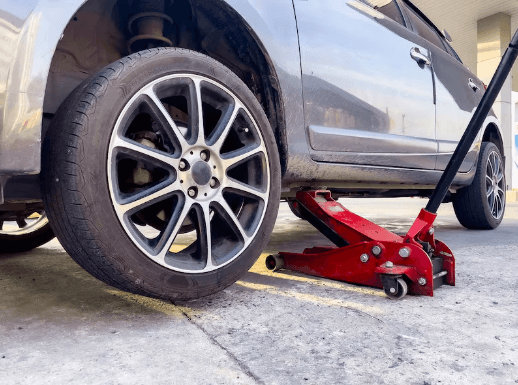
When choosing a trolley car jack, a few details make all the difference. First is construction. A durable steel frame often provides the kind of stability that lighter, cheaper materials struggle to match. Weight matters, yes, but so does confidence. You want a jack that feels planted, not flimsy.
Second is lifting range. Vehicles sit at different heights, and a car-jack that works beautifully on a sedan may not serve an SUV or a lowered performance car. Before buying, it helps to check the minimum and maximum lift height carefully. Matching the jack to your vehicle saves frustration later.
Third comes wheel quality and maneuverability. This part is often underestimated. A jack that rolls poorly becomes an awkward burden before the lifting even begins. Good casters and a balanced design allow you to guide it into place with less effort and more precision.
Then there is handle action. A long, comfortable handle with smooth pumping motion can make repeated lifts feel far less exhausting. It seems like a small thing until you are halfway into a task and grateful for every bit of reduced strain.
How to Use car jacks Safely and Calmly
Even the finest equipment demands respect. A jack is a lifting tool, not a permanent support system. That distinction matters deeply. Once the vehicle is raised, jack stands should always take over the holding duty. Safety is never the dramatic part of the story, but it is always the part that lets the story continue.
Start on level ground. Engage the parking brake. Use wheel chocks if needed. Locate the correct jack points in your vehicle manual. Then lift slowly, watching carefully for balance and stability. There is no reward for rushing under several thousand pounds of metal.
A small memory about a dream comes to mind here. Someone once shared how, as a child, they dreamed of building a workshop with bright lights, neat shelves, and every tool hanging in perfect order. In the dream, nothing was lost, nothing slipped, and every repair ended with clean hands and a smiling face. Life, of course, turned out less polished than that. Yet a good tool still gives you a fragment of that feeling. It reminds you that work can be orderly, even beautiful, when the basics are right.
Signs It Is Time to Replace Your trolley car jack
Tools age, and lifting equipment should never be trusted blindly. If your jack leaks hydraulic fluid, loses pressure, lowers unpredictably, or struggles to lift rated loads, those are not minor annoyances. They are warnings. Rust, bent components, or damaged wheels also signal that replacement may be the wiser path.
Some people hold onto worn-out tools because they remember what those tools helped them accomplish. That is understandable. There is history in scratches, dents, and stained handles. But there comes a point when sentiment should step aside for safety.
That thought brings up a brief and slightly funny anecdote about brickish. A cousin once used that word to describe an old garage shelf painted in a reddish-brown color that was trying very hard to look stylish. “It is not brick,” he said, squinting at it, “just brickish.” The whole family laughed because it was almost right, but not quite. Some tools are the same. They look dependable. They seem sturdy enough. They are safety-ish. Reliable-ish. But “ish” is not a standard you want beneath a vehicle.
Choosing the Right Fit for the Work Ahead
The best choice depends on how you work. If you perform frequent maintenance, investing in high-quality car jacks can save time and frustration for years. If your needs are occasional, a compact but well-reviewed model may serve you perfectly. Capacity should always exceed your expected lifting needs, and build quality should never be sacrificed simply for a lower price.
It also helps to think beyond the immediate task. A better jack often means easier storage, smoother setup, and less physical strain. Over time, those practical benefits add up. They shape whether you approach vehicle maintenance with dread or with a steady sense of readiness.
When a jack rolls like a dream, the work follows. That is the heart of it. Better tools do not erase effort, but they transform it. They remove needless struggle and leave room for skill, care, and confidence. And when you feel supported by the equipment in your hands, the job ahead seems far less intimidating. That is not just convenience. It is trust earned one lift at a time.