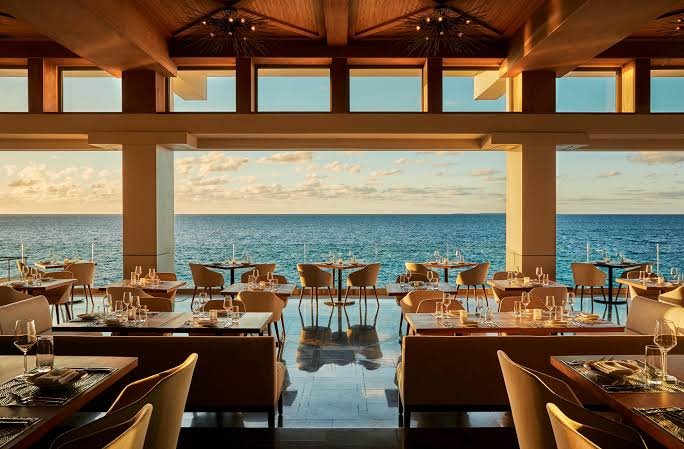
A restaurant’s setting can transform an ordinary meal into a memorable occasion. While food quality remains central to the dining experience, the surrounding environment can influence the mood, comfort and overall impression of a visit. Waterfront dining is especially appealing because it combines a meal with views of the harbour, passing vessels and the changing atmosphere of the city.
In a busy urban destination such as Hong Kong, a harbour-facing restaurant can offer a different perspective on the city.
Why Waterfront Locations Attract Diners
Waterfront restaurants provide a visual connection with the surrounding environment. Guests may enjoy views of the water, nearby buildings and activity along the shoreline.
The atmosphere can change throughout the day. A daytime meal may provide clear views of the harbour, while an evening visit can offer a different setting as the city lights become more prominent.
For many diners, the location becomes part of the occasion rather than simply a place to eat.
Choosing the Right Harbour View Restaurant
People searching for a harbour view restaurant should consider more than whether a venue is close to the water.
The actual view may depend on the restaurant’s floor, seating position and window arrangement. It can be useful to check photographs or ask about available seating when making a reservation.
Other considerations include menu variety, accessibility, service and the type of atmosphere the restaurant provides.
The Role of Food in the Experience
A scenic location cannot replace a well-prepared meal. Restaurants still need to focus on ingredient quality, cooking consistency and suitable menu choices.
Some waterfront venues offer international menus, while others specialise in particular cuisines. Diners should review the available dishes and consider whether they suit the preferences of everyone attending.
Clear menu descriptions can make it easier to understand ingredients, preparation methods and portion sizes.
Planning a Meal for Different Occasions
Waterfront restaurants can be considered for a variety of occasions, including:
- Family dinners.
- Business meetings.
- Anniversaries and celebrations.
- Meals with visiting friends.
- Relaxed evenings after sightseeing.
The most suitable venue depends on the occasion. A business meal may require a quieter environment, while a celebration may benefit from a more lively atmosphere.
When booking for a group, it is useful to communicate seating preferences and any special requirements in advance.
Understanding Menu Variety
A restaurant serving a range of dishes can accommodate guests with different tastes. Some people may prefer seafood, others may choose grilled meat, while some may look for vegetarian options.
A balanced menu gives guests flexibility without compromising the restaurant’s overall identity.
For steak-focused dining, the selection of cuts, cooking preferences and side dishes may be particularly important. Guests should also be able to ask about ingredients and possible dietary adjustments.
Service and Hospitality
Good hospitality helps guests feel comfortable throughout their visit. Staff should be familiar with the menu and able to explain dishes, recommend suitable options and answer questions.
Timely service is important, but so is understanding the pace of the meal. Guests celebrating an occasion may prefer a more relaxed experience, while people attending a business lunch may appreciate efficient service.
Clear communication about reservations and seating arrangements also contributes to a positive visit.
Timing and Weather Considerations
The time of day can influence the waterfront dining experience. Daylight, sunset and evening city lights create different visual settings.
Weather is another factor, particularly when a restaurant has outdoor seating. Guests should check whether outdoor arrangements are available and what alternatives exist in case of rain or unsuitable conditions.
A reservation does not always guarantee a particular view, so seating preferences should be confirmed where possible.
Accessibility and Convenience
A restaurant may offer an attractive location but still be inconvenient for some visitors. Consider public transport access, walking distance, parking availability and the needs of guests with mobility limitations.
For visitors unfamiliar with Hong Kong, checking directions in advance can help reduce travel uncertainty.
Frequently Asked Questions
1. What makes a harbour view restaurant appealing?
It combines dining with views of the waterfront and surrounding city. The scenery can add atmosphere to casual meals and special occasions.
2. Should I request a window seat when booking?
Yes, if the view is important to your visit. However, seating requests are generally subject to availability, so it is worth confirming with the restaurant.
3. Is waterfront dining suitable for business meetings?
It can be, depending on the restaurant’s atmosphere, noise level and seating arrangements. A quieter table may be more suitable for professional discussions.
Conclusion
Waterfront dining combines food, hospitality and the visual appeal of the surrounding environment. A suitable restaurant should offer more than an attractive location; menu quality, service and comfort remain essential. By checking seating arrangements, accessibility and dining options in advance, guests can plan a more enjoyable harbour-side meal.