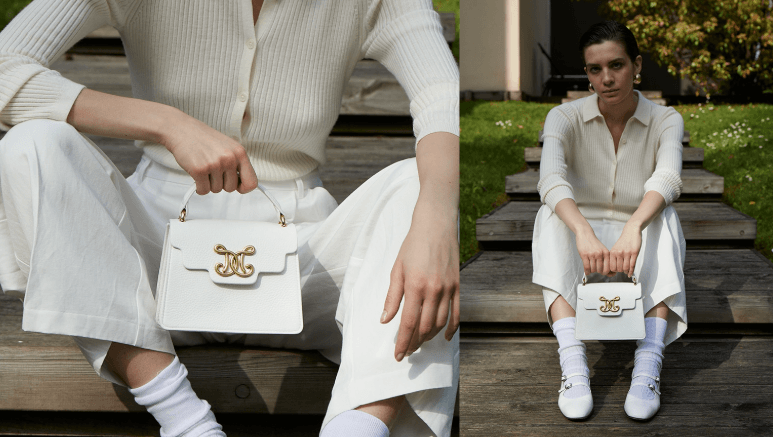
A good bag can make everyday routines easier while adding a polished finishing touch to an outfit. Whether you are heading to work, meeting friends, traveling, or enjoying a relaxed weekend, the right design can provide convenient storage without compromising personal style. A tote bag is particularly versatile because its spacious structure can accommodate everyday essentials while working with a wide range of outfits.
Choosing the right tote, however, involves more than selecting the largest bag available. Size, material, carrying options, organization, color, and overall construction can all influence how useful it becomes. Understanding these details can help shoppers select a design that fits naturally into their lifestyle.
Why Tote Bags Remain Popular
Tote bags have a simple and adaptable design. Their spacious interiors make them useful for carrying several belongings, while their straightforward silhouettes can complement both casual and polished clothing.
For everyday use, this combination of capacity and versatility can be especially convenient. A tote may hold personal essentials during a shopping trip, work-related items during a commute, or additional belongings during travel.
Another advantage is that many tote designs can transition between different settings. A clean, structured silhouette can look appropriate in a professional environment, while a softer or more relaxed design can work well for weekends.
Start With Your Daily Routine
The best bag is one that supports the way you actually live.
Before choosing a tote, consider where you normally go during the day and what you usually carry. Someone who works in an office may need space for documents, a tablet, notebook, or other professional essentials. Someone who spends most of the day running errands may only need room for personal belongings and shopping essentials.
Travelers may have different priorities, such as easy access to frequently used items and enough space for additional necessities.
Thinking about your routine first helps prevent a common mistake: choosing a bag based entirely on appearance without considering whether it will be practical.
Choosing the Right Capacity
Size is one of the most important factors when selecting a tote.
A smaller tote may be suitable for people who carry only a few essentials. A medium-sized option can provide a balance between storage and portability, while a larger design can accommodate more belongings for work, travel, or shopping.
However, more capacity does not always mean greater convenience. A very large bag may encourage you to carry unnecessary items, making it heavier than necessary.
A useful approach is to identify the items you carry most frequently and select a size that provides enough room for those essentials without excessive unused space.
Consider the Material
The material influences the bag’s appearance, weight, texture, and care requirements.
Leather can provide a sophisticated appearance and may work well with both casual and formal wardrobes. Canvas can offer a more relaxed feel, while recycled materials can provide another option for shoppers who are considering material composition alongside style.
The intended use should guide the decision. A bag that will be carried every day may need to prioritize durability and ease of care. A bag used mainly for special occasions may allow greater emphasis on appearance.
Before purchasing, consider the maintenance required by the material and whether it fits comfortably into your routine.
Think About the Handles
The handle design affects how a tote can be carried.
Shorter handles may create a classic handheld appearance, while longer handles can make shoulder carrying easier. If you frequently commute or walk for extended periods, comfortable shoulder carrying may be particularly important.
Handle construction is also worth examining. Strong attachment points can contribute to the bag’s ability to handle regular use.
Try to consider how the handles will feel when the bag contains your typical belongings rather than evaluating them only when the bag is empty.
Look at Interior Organization
A spacious bag can be useful, but good organization can make it much easier to manage.
Some totes have dedicated pockets for phones, keys, cards, or other small items. Others provide a large open interior that allows you to carry different objects without being restricted by compartments.
Neither approach is universally better. The right choice depends on your habits.
If you regularly carry several small belongings, separate pockets can make them easier to locate. If you prefer flexibility or frequently carry larger items, a more open interior may be preferable.
Consider the Closure
Tote bags can have open tops or use different closure systems, including zippers, magnetic fastenings, and snaps.
An open design can provide quick access, which may be convenient when shopping or moving between activities. A secure closure can provide additional protection for belongings during commuting or travel.
Think about the environments in which you expect to use the bag. If you regularly move through crowded areas, security may be more important. If convenience and accessibility are your main priorities, an open or easily accessible design may work better.
Choose a Color That Complements Your Wardrobe
Color can determine how versatile a tote becomes.
Neutral shades such as black, brown, cream, beige, and similar tones can coordinate with many outfits. They are practical choices for people who want one bag that can be used frequently.
More distinctive shades can add personality to an otherwise simple outfit. If your wardrobe already contains several neutral accessories, a more expressive color may provide variety.
Consider the clothing you already own before choosing. The most useful color is usually one that works with several outfits you regularly wear.
Matching the Bag to Different Occasions
A tote can serve different purposes depending on its size and construction.
For Work
A structured tote can create a professional appearance while providing room for everyday work essentials. If you carry a tablet, documents, or notebooks, check the bag’s dimensions before purchasing.
For Shopping
A lighter tote can be convenient for errands because it provides additional space without requiring several smaller bags. Easy access can also be useful when moving between stores.
For Travel
A larger tote can provide accessible storage for items you may want during a journey. However, consider the empty weight of the bag because adding travel essentials can quickly increase the total load.
For Weekends
A smaller or softer tote can work well with relaxed clothing. It can provide enough space for personal essentials while maintaining a casual appearance.
Compare Different Styles
Tote bags are not all designed in the same way. Some prioritize spacious capacity, while others focus on compact proportions or a more structured silhouette.
Longchamp’s Australian collection includes different tote designs and sizes, while its broader women’s mini-bag range demonstrates how compact versions can combine lightweight construction with everyday functionality. The mini collection includes different silhouettes, materials, and functions, including tote, handbag, pouch, shoulder, and crossbody options.
Comparing different styles can therefore help shoppers identify whether they need a traditional spacious tote or a smaller alternative for lighter everyday use.
Think About Weight
The empty weight of a bag is easy to overlook, especially when focusing on appearance.
A spacious bag made from a heavier material may become uncomfortable after it is filled. This is particularly relevant for people who commute, travel, or walk for long periods.
When comparing designs, consider both the bag’s capacity and its weight. A slightly smaller and lighter option may be more practical than a large bag that is difficult to carry comfortably.
Consider Construction and Details
Small details can influence how a tote performs over time.
Examine stitching, handle attachments, lining, seams, hardware, and closures. These elements contribute to both appearance and everyday functionality.
If you expect to use the bag regularly, construction should be considered alongside style. A fashionable design becomes more valuable when it also fits the practical demands of your routine.
Caring for Your Bag
Proper care can help maintain the appearance of a quality bag.
For leather designs, avoid prolonged exposure to direct sunlight, moisture, and excessive humidity. Store the bag in an appropriate protective pouch when it is not being used.
Overfilling should also be avoided because too much weight or pressure can affect the bag’s shape and place additional stress on handles and seams.
Different materials require different care methods, so always follow the manufacturer’s recommendations rather than using a general cleaning product without checking its suitability.
Creating a Practical Bag Collection
If you regularly use different types of bags, each design can have a specific role.
A larger tote bag can be reserved for work or travel, while a smaller bag can cover evenings and lighter outings. A shoulder or crossbody design can provide another option when hands-free carrying is preferred.
Thinking about your collection according to function can make future purchases more intentional. Instead of buying similar bags repeatedly, you can choose designs that address different needs.
See also: Practical Picks: Business Backpack & SENBOWE Manual Slicer
Three Common Questions
1. What should I consider when choosing a tote bag?
Consider the size, material, weight, handle length, interior organization, closure, color, and the situations in which you expect to use the bag.
2. Can a tote be used for work and casual outings?
Yes. A versatile design can work across different settings. Structured and neutral-colored totes may transition particularly easily between professional and casual outfits.
3. How do I prevent a tote from becoming uncomfortable?
Choose a size appropriate for your belongings, avoid unnecessary items, and consider the empty weight of the bag. Comfortable handles can also make a difference when carrying it for extended periods.
Conclusion
A tote bag can be a practical and versatile accessory for modern everyday life. Its spacious structure makes it useful for work, shopping, travel, and weekends, while different materials, colors, and silhouettes allow shoppers to find a style that fits their personal wardrobe.
The most important step is to consider your actual routine before choosing a design. Think about what you carry, how long you carry it, where you use the bag, and which features make your daily activities easier.
A well-chosen tote does not need to follow every current trend. Instead, it should provide a useful balance of capacity, comfort, organization, and personal style. By considering these factors carefully, you can select a bag that remains practical across different occasions and continues to fit naturally into your wardrobe.