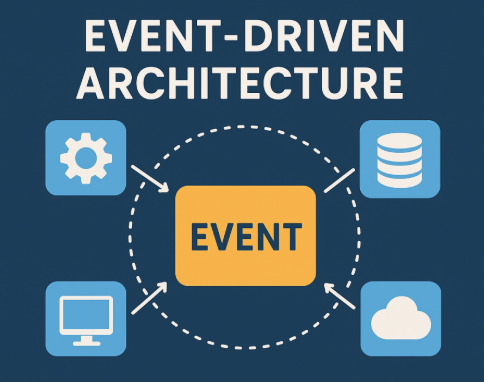
Traditional web applications are built around a request-response model. A user performs an action, the server processes it, and a result is returned. This structure works well for static or moderately dynamic environments, but it becomes inefficient when data changes continuously. Real-time platforms replace this model with event-driven architectures, where updates are pushed to the user as soon as they occur.
Instead of waiting for user input, the system reacts to events—such as state changes, user interactions, or external data feeds—and broadcasts updates instantly. This approach reduces latency and creates an environment where users are always working with current information rather than outdated snapshots.
When analyzing how such systems are implemented in practice, it becomes useful to examine platforms that expose real-time behavior clearly rather than abstracting it away. On platforms like this website , where different interactive formats demonstrate how outcomes evolve dynamically, it becomes easier to observe how event-driven updates are translated into user-facing signals. These systems reveal the connection between backend processing and front-end decision-making in a way that static applications cannot.
Core infrastructure components behind real-time platforms
- Event queues (e.g., Apache Kafka, RabbitMQ) for handling continuous data streams
- WebSocket or SSE connections enabling persistent communication between client and server
- Low-latency processing layers, often built on Node.js or Go-based services
- State synchronization mechanisms, ensuring all users see consistent updates
- Distributed scaling, allowing the system to handle spikes in concurrent interactions
These components form the backbone of platforms where speed and consistency are critical.
How System Design Shapes User Decision-Making Behavior
Interface design as a cognitive framework
The architecture of a system directly influences how users think. In static environments, users interpret information after it has stabilized. In real-time systems, they must interpret transitional states, where outcomes are still forming. This distinction transforms the interface into a cognitive tool rather than a passive display.
For example, when data updates continuously, users begin to track trends rather than isolated values. They focus on direction, volatility, and timing instead of fixed results. This behavior mirrors how analysts interpret financial dashboards, where movement often matters more than absolute numbers.
Practical framework for interpreting real-time signals
Users who operate effectively in these environments tend to follow a structured approach:
- identify the primary signal, such as a change in state or probability
- evaluate how recent events influenced that signal
- compare the current pattern with previously observed behavior
- estimate short-term direction based on available data
- continuously refine assumptions as new events arrive
This iterative model reflects decision-making processes used in fields such as algorithmic trading and operational analytics.
Non-obvious factors that influence performance
Several deeper factors determine how effectively users interact with real-time systems:
- Cognitive load distribution: Interfaces that highlight key signals reduce processing time and improve accuracy
- Temporal awareness: Users who recognize high-impact moments make better decisions than those treating all updates equally
- Feedback compression: Rapid confirmation or contradiction of assumptions accelerates learning
- Signal prioritization: Filtering noise becomes more important than accessing more data
These elements demonstrate that performance depends as much on system design as on user capability.
Why latency is not just a technical metric
Latency is often treated as a purely technical concern, measured in milliseconds. In reality, it has direct cognitive implications. Even small delays can disrupt the user’s ability to connect cause and effect, reducing the accuracy of their mental models.
In high-speed environments, minimizing latency ensures that users operate on synchronized information. This alignment between system state and user perception is critical for maintaining trust and enabling effective decision-making.
Why Real-Time Decision Systems Are Defining the Future of Digital Platforms
From static UX to adaptive environments
The transition toward real-time systems reflects a broader shift in user expectations. Static interfaces provide clarity but lack responsiveness. Adaptive systems, by contrast, allow users to engage with evolving data, creating a more interactive and demanding experience.
This shift is visible across industries. Financial platforms emphasize live updates, communication tools prioritize instant messaging, and even content platforms experiment with dynamic feeds. The underlying principle is consistent: users value systems that respond immediately to changes.
Business implications of event-driven systems
For organizations, adopting real-time architectures is not only a technical upgrade but a strategic decision. Systems that reduce latency and increase responsiveness enable faster reactions to market changes, operational issues, and user behavior.
Practical applications include:
- real-time monitoring dashboards for operations and performance tracking
- dynamic pricing systems that adjust based on demand fluctuations
- instant feedback loops in customer-facing applications
These implementations demonstrate how event-driven design can improve both efficiency and competitiveness.
Why adaptive thinking is becoming essential
As users interact more frequently with real-time systems, their cognitive patterns evolve. They become more comfortable with uncertainty, more responsive to new information, and more capable of adjusting strategies on the fly. This adaptability is increasingly valuable in environments where conditions change rapidly.
For businesses, this means that tools must not only provide data but also support dynamic interpretation. Systems that enable users to think in real time will have a clear advantage over those that rely on static reporting.
Why Real-Time Data Architectures Are Reshaping Digital Decision-Making
Real-time platforms demonstrate that system architecture is not just a technical foundation but a determinant of how users think and act. By replacing static models with continuous event streams, these systems create environments where decision-making becomes iterative, adaptive, and closely aligned with current conditions.
This transformation has implications far beyond interactive platforms. It suggests that the future of digital tools lies in their ability to deliver immediate, actionable information while maintaining clarity and usability. Systems that achieve this balance will not only improve user engagement but also enhance analytical capability.
As event-driven architectures become more widespread, the distinction between observing data and interacting with it will continue to blur. Users will increasingly expect platforms to function as decision environments rather than information repositories. In this context, the ability to process and act on real-time signals will define both user effectiveness and platform success.